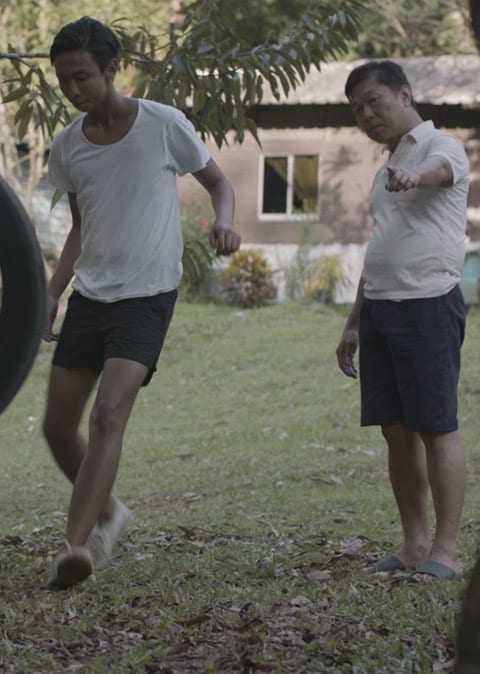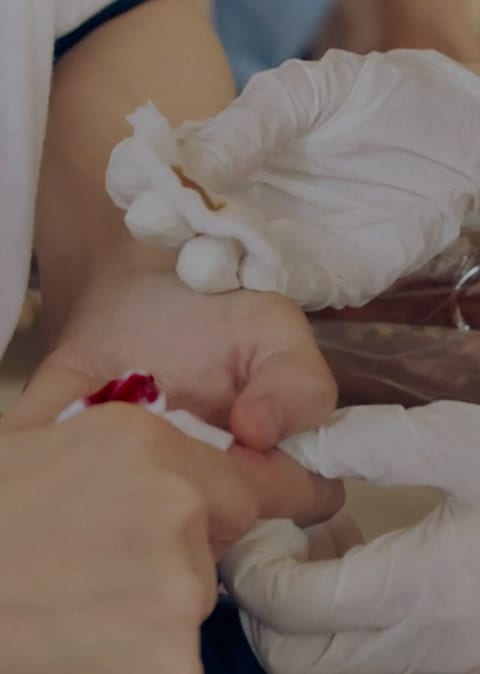

Most of us remember holding donation tins on Flag Day or making festive visits to a nursing home as students. These moments were our first brushes with giving back – familiar parts of growing up in Singapore’s school system.
But volunteering doesn’t have to stop at one-time events. When it aligns with what we care about and builds on our strengths, it becomes something deeper and more rewarding.
Here’s a guide to getting started, going deeper, and finding the right way to give as a student in Singapore.
Contents
- What kinds of volunteering opportunities are available to students in Singapore?
- How does volunteering take place across secondary schools and tertiary institutions in Singapore?
- How do I choose the right student volunteering project for myself?
- What is the minimum age to volunteer in Singapore?
- How can I make my volunteering experience as a student more meaningful?
What kinds of volunteering opportunities are available to students in Singapore?

In Singapore, students can volunteer across a wide range of causes, from supporting the arts, culture, and heritage scene, protecting the environment, including persons with disabilities in community life, and more. With over 2,000 charities registered in Singapore and over 600 listed on giving.sg, you’ll be sure to find a volunteer opportunity in an area that resonates with you.
Roles such as homework buddies, event photographers and videographers, and activity ushers are great for first-timers—they’re straightforward, beginner-friendly, and make a direct impact.
On giving.sg/volunteer, you’ll find such roles from both well-known and newer charities, many looking for youths to get involved. Once you create an account, you can discover causes that resonate with you. Filter by location, dates, or even find under-served opportunities that truly need your support.
How does volunteering take place across secondary schools and tertiary institutions in Singapore?

Previously known as Community Involvement Programme (CIP) hours, Values in Action hours are part of the Ministry of Education’s LEAPS 2.0 framework. This nurtures secondary school students‘ holistic development, in which students are encouraged to complete at least six hours of community service a year.
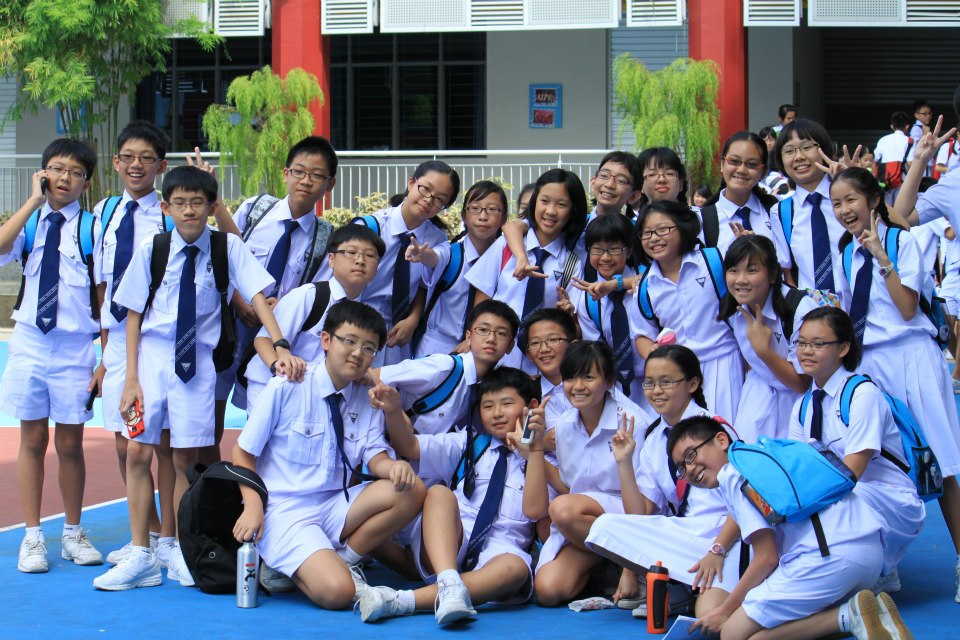
VIA builds on the earlier Community Involvement Programme (CIP), introduced by MOE in 1997 to nurture civic responsibility and belonging through volunteer work. VIA takes CIP’s direct service focus further by involving students in planning activities, serving the community, and reflecting on their impact.
ITE students in Singapore can benefit from service learning programmes co-organised with charities as part of their curriculum, and also explore opportunities beyond the classroom. All three campuses offer volunteer-focused CCAs, such as the Rotaract Club, which organise regular community service activities both locally and through overseas service trips.
As you enter junior college, community service will likely involve student-led service learning projects or through volunteering co-curricular activities (CCAs). Beyond measuring commitment by hours, many JCs emphasise long-term partnerships and self-initiated causes. You get to design and lead meaningful projects that meet community needs.
Though most polytechnics in Singapore don’t require community service hours, there’re many ways to give back while on the polytechnic path. Most polytechnics offer community service CCAs, and you’re also free to volunteer with charities that welcome youth.
Selected polytechnics also offer service learning modules that have students apply academic knowledge to real-world issues. For example, all Ngee Ann Polytechnic students take at least one service learning activity or project linked to a module in their course of study. And in Republic Polytechnic, all students take a life skills module with a service learning component.
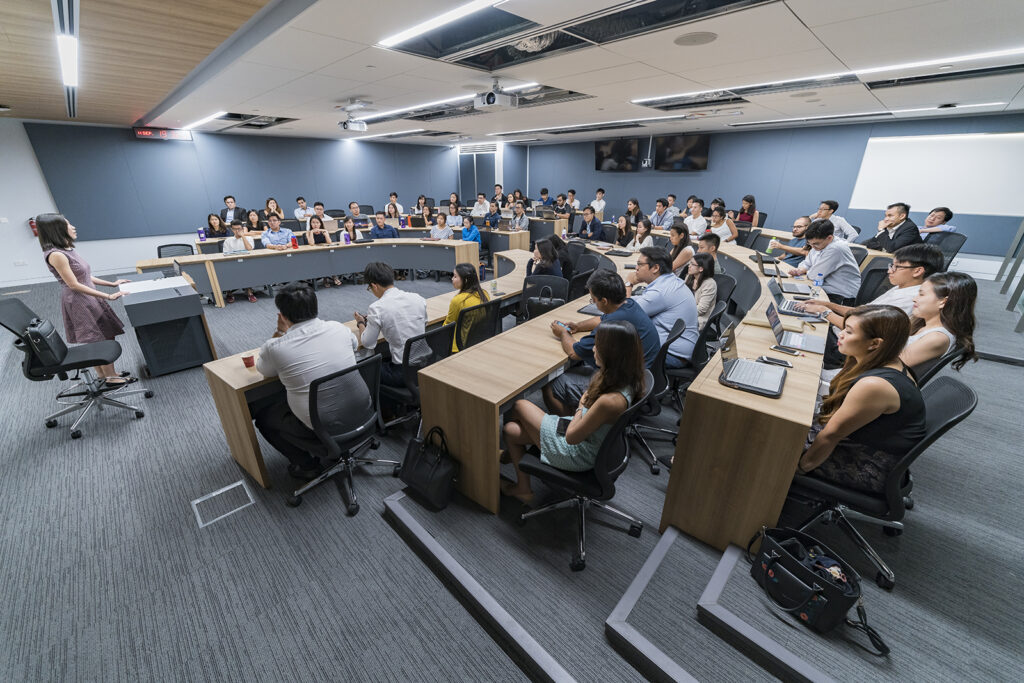
Volunteering doesn’t stop in university, where beyond volunteering CCAs, Singapore Management University (SMU) has a mandatory 80-hour community service graduation requirement for undergraduates. Singapore University of Social Sciences (SUSS) students also take a module with a community involvement opportunity, while NUS College’s Impact Experiences capstone course has students work with non-profits to create innovations benefiting society.
How do I choose the right student volunteering project for myself?

The best projects are the ones you have a personal interest or connection with. On giving.sg, after creating a user account, you can filter opportunities by cause, location, dates, and even look for those that need the most help.
Before committing, you might want to visit the charity and witness its volunteers at work, and take the chance to ask questions about what they look for in volunteers and in collaborative projects to see if you are a fit for each other.
Check out our guide to volunteering in Singapore for more ideas.
What is the minimum age to volunteer in Singapore?
There is no minimum age for volunteers in Singapore in general, but a minimum age may apply for particular volunteer activities. Do enquire personally with the charity you are looking to work with for details.
Organisations such as the People’s Association Youth Movement, Team Nila, Youth Corps Singapore, and more regularly engage student volunteers in meaningful, hands-on experiences, so if you’re looking for organisations familiar with youth volunteers, you might wish to start there.
How can I make my volunteering experience as a student more meaningful?
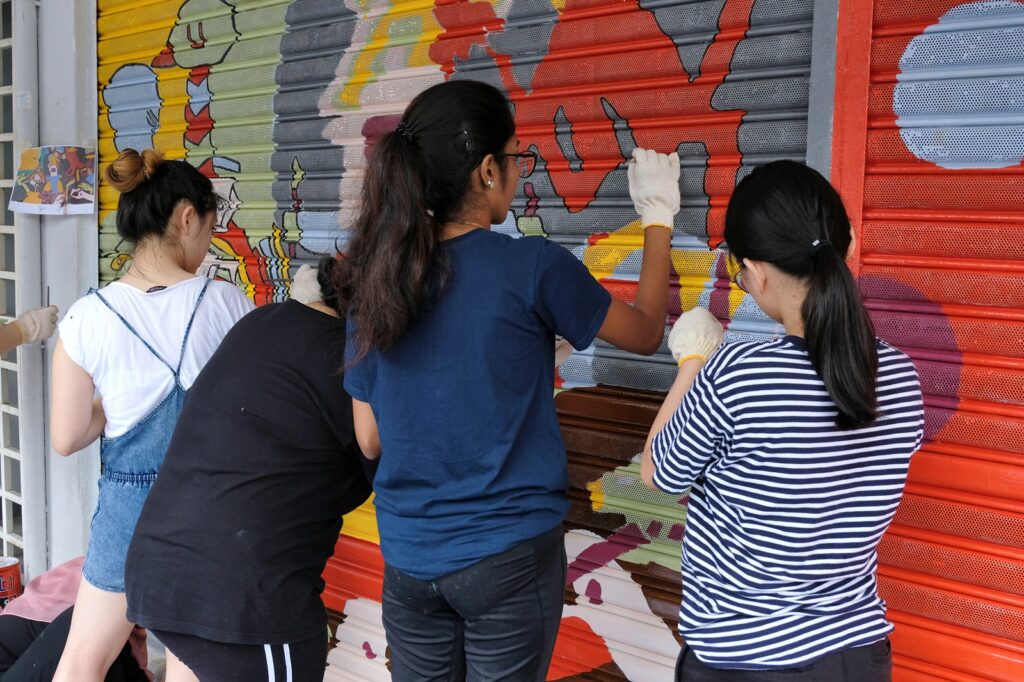
Whether you’re finding the best way to spend your VIA hours or exploring service learning opportunities, student volunteering is a great way to match your skills to real operational needs on the ground that non-profits help with.
Short-term activities are no less valuable as they often fill immediate needs, but if you’re ready to deepen your involvement, here’s how to make your service more meaningful:
- Find a cause you care about, because commitment is more meaningful when it’s something that fits your interests and values.
- Block time out to volunteer regularly. This helps you build real relationships, learn new skills, and see the longer-term impact of your efforts.
- Start your own initiative with support from your school or a youth organisation. Rally a few friends whose working styles you know, so it’s easier to share the load and make things happen together.
- You can also tap into Singapore’s youth or community grants that help fund ideas in areas such as elderly care, sustainability, inclusion, and mental health. Ask your teacher, school coordinator, or community partner about available support to bring your idea to life. Or browse the Our SG Grants portal to find a suitable grant and track your application status.
The reward of volunteering happens when you feel connected to the cause and over time, can see the change you’re helping to make. Check out current volunteering opportunities at giving.sg, and start a conversation with a charity you’re interested in—you might just co-create a service learning experience that’s meaningful for both you and the community.