What Is Colabs?
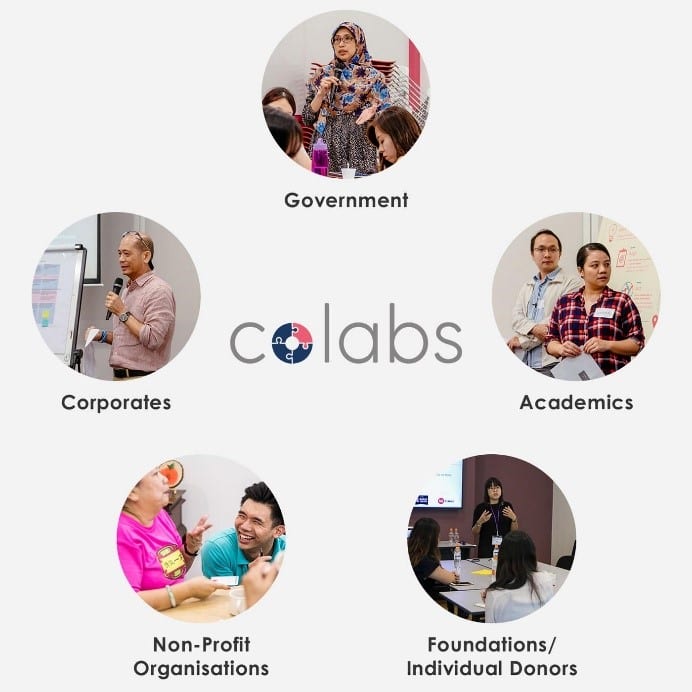
Colabs is a community-based collaborative approach where diverse stakeholders come together to collectively unpack complex social issues and are inspired towards co-creating solutions.
It is a philanthropic initiative pioneered by the National Volunteer and Philanthropy Centre (NVPC) and the Community Foundation of Singapore (CFS) to drive collaboration by bringing together the public, private and social sectors to tackle complex social issues. It enables the diverse sectors to come together, collectively build insights and work towards collaborating for greater social impact.
Following the conclusion of the first three series – Children & Youth, Persons with Disabilities and Seniors – NVPC distilled key insights and learnings from them and developed a Colabs Toolkit.
The Colabs Toolkit is a guide for anyone keen to champion the collaborative process and solve complex issues with different stakeholders. We welcome you to download it here.
Watch the video below to find out more about Colabs.
Why Colabs?
Social issues today are complex. They are often interconnected and present no clear causes, effects or even solutions. These problems cannot be solved by any single entity, not even the government on its own; they require a whole-of-society effort.
At present, there may be many interventions on a particular problem. These tend to be conducted in silos, with different organisations operationalising their own strategies and programmes based on their own perspectives.
Through Colabs, we hope to encourage cross-sector collaborations for greater social impact. We do so by facilitating a process of appreciating complex ecosystems in their entirety, and of developing emergent insights which lead to collective action.
Past Colabs Series
Children & Youth (2017)
Persons with Disabilities (2018)
Seniors (2019)
Migrant Workers (2020)
For these series, we gathered diverse and vibrant communities of stakeholders to tackle the issues at hand:
Children & Youth
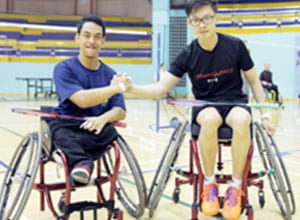
Persons with Disabilities
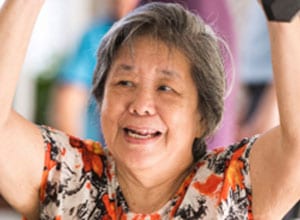
Seniors
Migrant Workers
Dementia
participants from 55 organisations
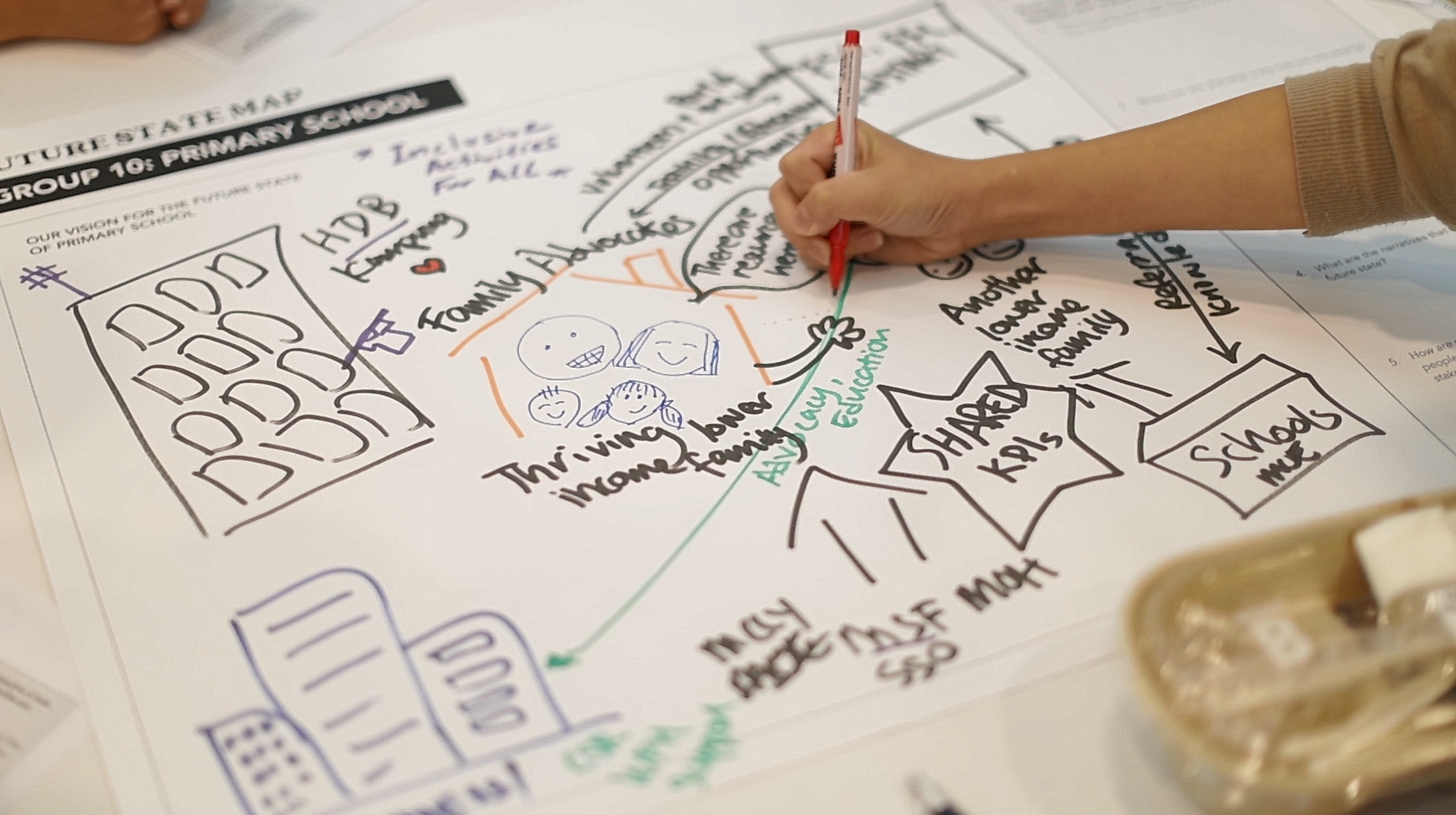
Lower-Income Families
participants from 85 organisations