
Announcement: giving.sg is undergoing scheduled maintenance downtime until 28 Feb 2026. For enquiries, please contact [email protected].
Announcement: Lorem ipsum dolor sit amet consectetur. At leo non in lobortis faucibus aenean aliquam morbi. In neque orci aliquam consequat massa. Vitae aliquam scelerisque erat faucibus. Volutpat sem mattis velit sagittis vel
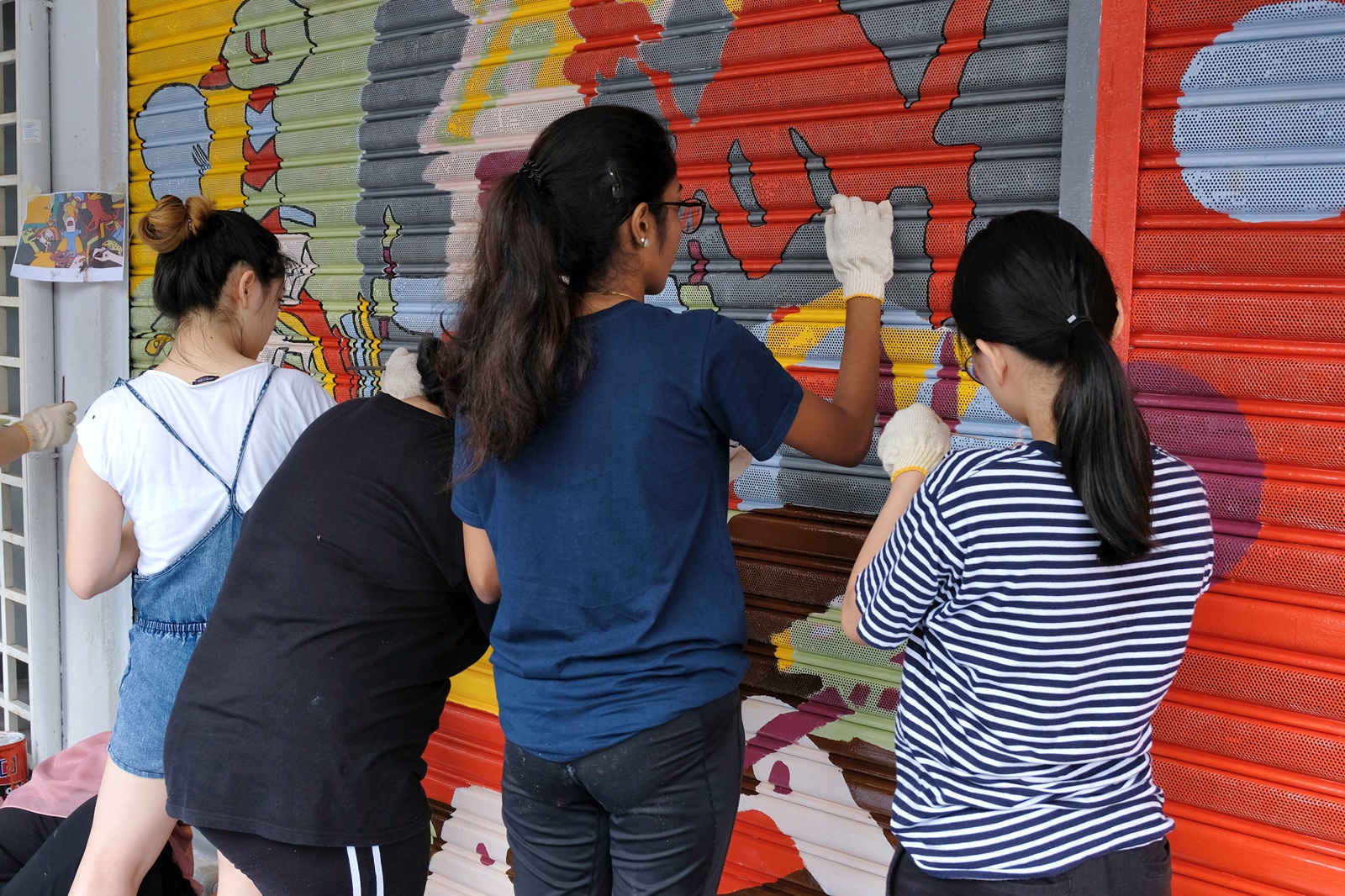
If the rise of the new-age entrepreneurs like Bill Gates, Mark Zuckerberg, Jack Ma and now Singapore’s very own Rebekah Lin, is anything to go by, the next generation is going to completely redefine the non-profit landscape of the future.
Young people today (children, teenagers, and young adults) are increasingly aware of their responsibility towards creating a sustainable society and unafraid of trying their hand at fresh ways of giving, new channels of outreach, and harnessing the power of masses through the use of technology.
Centre for Non-Profit Leadership (CNPL) spoke to a panel of non-profit thought-leaders who work with youth, to understand their vision of the future of NPO leadership and the role youth can play in leading tomorrow’s non-profits.
Here are some very clear themes that emerged from our discussion.
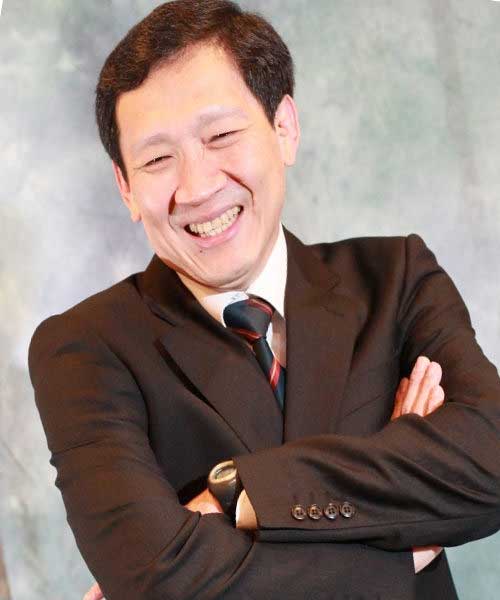
Samuel Yeak, Chair of Metropolitan YMCA, an organisation that most of us know to be deeply engaged with youth, makes no claim to be a youth expert.
It has been an interesting journey for us,” he says. “To engage them, we had to bring in people who can understand and think like the youths (MYMCA brought in a youth expert), speak their lingo, hang out with them, gain their trust and become their confidante.”
To him it is holding the interest of youth that is the bottom line. The solution is “to empower them to think for themselves, decide on what they want to do, provide them resources if they needed those resources and ultimately take ownership of their own projects.” With only “gentle nudges” for direction.
Samuel feels that “All leaders, present or future must possess the heart to serve before they can lead…if you don’t know how to follow, you can’t truly lead”. He adds, “I look for those who are FAT – faithful, available, and teachable. Faithful people and those who can be trusted to get the job done. They will stick doggedly to the task at hand, overcoming obstacles. There are many talented people out there but if they are not available, it is very hard to use them in your organisation.” This is especially true in the Singaporean context, “with many things competing for our time. Availability reflects commitment to your cause – if you believe it is important, you will make time for it.” Finally he believes that “teachability will make a truly great leader because none of us are perfect and will always make mistakes. What is important is having the humility to learn from our mistakes.”
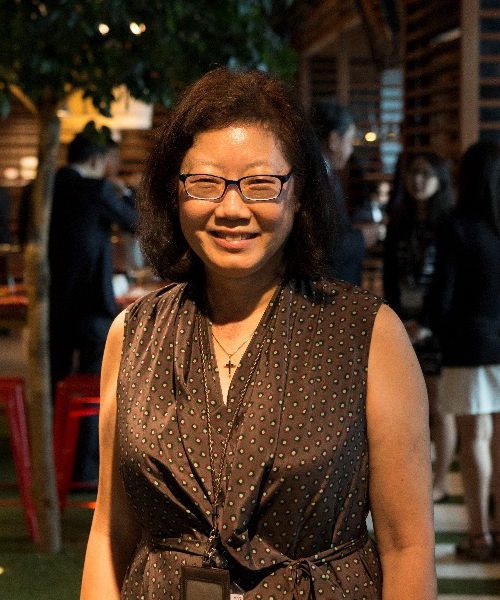
Mamie’s extensive experience working with college students in Singapore leads her to believe that the start should always be to understand and connect with the youth, “To view the world through their eyes – and understand what makes them tick, their ideals and passion.”
She feels that “Providing them with the opportunity to learn and grow in a safe environment, with mentorship and guidance, whether in a one-on-one or one-to-many framework will help nurture them.”
“Developing a culture of giving and volunteering amongst youth really starts with exposure from young – and is rooted in values and mindsets. Schools are already giving opportunities to their students which begins at the primary level. The challenge is in structuring these activities that would be meaningful to both the students and community.”
Mamie sums it up as “Courage with a heart – to persevere, to try the new and different whilst maintaining focus on their set goals and at the same time always remembering the impact, direct or indirect, on the lives of others. The only way to identify these leaders is to work closely with them and to see them in action.”
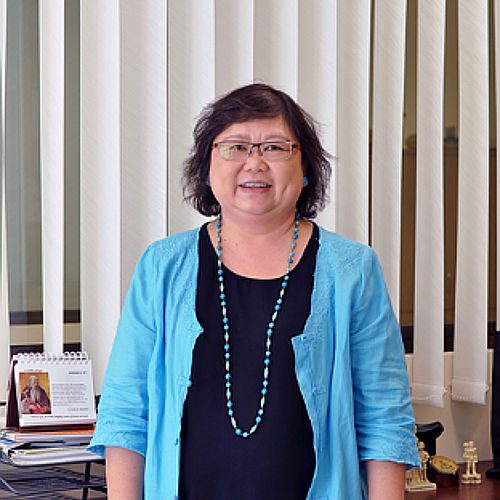
Irene too believes in the power of ownership. She suggests “empowering youth volunteers to coordinate small-scale events or see a task through from start to finish”, while helping them become an integral part of the team by “giving them their own title”. Mentoring and debriefing are necessary to increase efficiency. To her hands-on exposure to the outcomes and creating a sense of empathy towards the beneficiaries’ needs is also vital. This sense of belonging encourages them to recommend the organisation to peers and creates “supporters, advocates and donors to the cause for years to come.”
“We depend on volunteers to not only get the work done, but to make a lasting impact for our cause. We cannot do it alone.” says Irene. “We need to be looking for young people who have a passion-filled love that flows out into the volunteer work they are involved in. These young leaders recognize that their work is all about serving others. They genuinely desire to connect with people on a deeper level that allows them to understand the world of those they are reaching out to, and see potential in those they serve as well as serve alongside.”

According to Tuminah, youth comprises a large and very diverse group from school children to young parents, with each generation being unique. Consequently she does not believe that there can be a one-size fits all approach in engaging with youth and that it is a continuous journey of learning and adapting.
“We do not have a magic formula.” Says she, “However what is key is engagement. Our Community Engagement Unit conducts regular sharing and outreach sessions with both formal and informal groups of youths to see how we at MENDAKI can support their ideas and interests and to channel those to activities that can benefit the community.”
“Based on my experience at MENDAKI, youths need space for them to express themselves and see their ideas realized. They like to be given responsibility and to do more than just be an assistant or aide. They want to run projects, their own projects. We need to support them.”
She cites MENDAKI’s scheme that provides funding for groups to carry out projects. They hope to infuse the spirit of giving by providing them with the experience of helping others.
“In today’s “uber-ised” world, a collaborative mindset is one characteristic that I believe a future leader should have. This is assuming that the leader possessed the core characteristic such as governance, integrity, critical and strategic thinking.” Tuminah believes that this way leaders can build highly effective teams by empower employees in matters that are key to the organisation. “At some points, staff need to be part of the decision-making and strategy process. All these will lead to a stronger trust between employer and employee,” she adds. “This inspires greater employee trust, loyalty and ultimately, employee buy-in. Highly effective leaders also understand the importance of relationship development. They encourage bonding between employees to bolster cooperation, collaboration and information sharing. They work at breaking down silos by establishing shared goals and ensuring that people work together to achieve shared goals.”
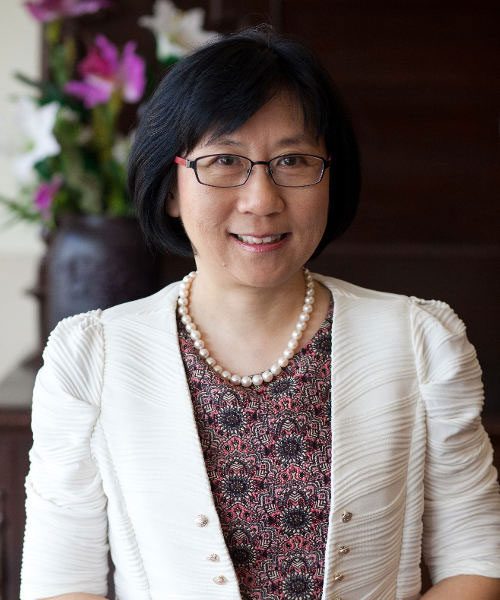
Mavis believes that communication is the key to resonating with youth. “Researches have shown that our current generation of youths are largely motivated by passion for a cause and the knowledge that they are able to make a difference,” she says. Non-profit leaders need to actively communicate their organisation’s mission and values effectively to our youths to help them see the alignment of their own values and aspirations with that of the organisation’s. She suggests tapping the potential of the social media to reach out to your peer networks in sharing inspiring stories of beneficiaries or volunteers who have had life changing encounters and experiences.
Mavis believes that “The non-profit landscape is different from that of a few decades ago. Leaders today need to be bold to make changes and rally support of staff, donors, volunteers and beneficiaries alike. They need to able to anticipate change intuitively, believe in the cause they strive for and chart new directions to meet new needs.”
“An openness to change and accept new ideas is crucial in order to remain relevant, current and sustainable,” she notes.
“Leaders of the future should exhibit a forward-looking personality and demonstrate an ability to communicate their visions and future possibilities clearly and effectively” Professionally they should have the ability to strategise the new direction without losing the purpose and core values of the organisation that they serve.” Personally, she values integrity, honesty and being genuine as essential qualities.