
Announcement: giving.sg is undergoing scheduled maintenance downtime until 28 Feb 2026. For enquiries, please contact [email protected].
Announcement: Lorem ipsum dolor sit amet consectetur. At leo non in lobortis faucibus aenean aliquam morbi. In neque orci aliquam consequat massa. Vitae aliquam scelerisque erat faucibus. Volutpat sem mattis velit sagittis vel

Youth leaders are purpose-driven, but face burnout, funding gaps, and credibility hurdles. Sustainability and continuity can be a real challenge with the pressures of life. Support from all stakeholders doesn’t need to be big — being seen, heard, and valued is often enough to keep them going.
At the City of Good Summit 2025, Suhaimi Zainul-Abidin, NVPC Board Member, hosted a panel discussion on ‘Activating the Next Generation’. Panellists Cho Ming Xiu (Founder of Campus PSY) and Nabillah Jalal (Founder of NJ Studio and Co-Founder of ArtSee), came together to explore the challenges and aspirations of youth leadership in Singapore’s social impact space.
Their candid reflections revealed not only the passion that drives young founders, but also the real pressures they face in sustaining that passion over time.
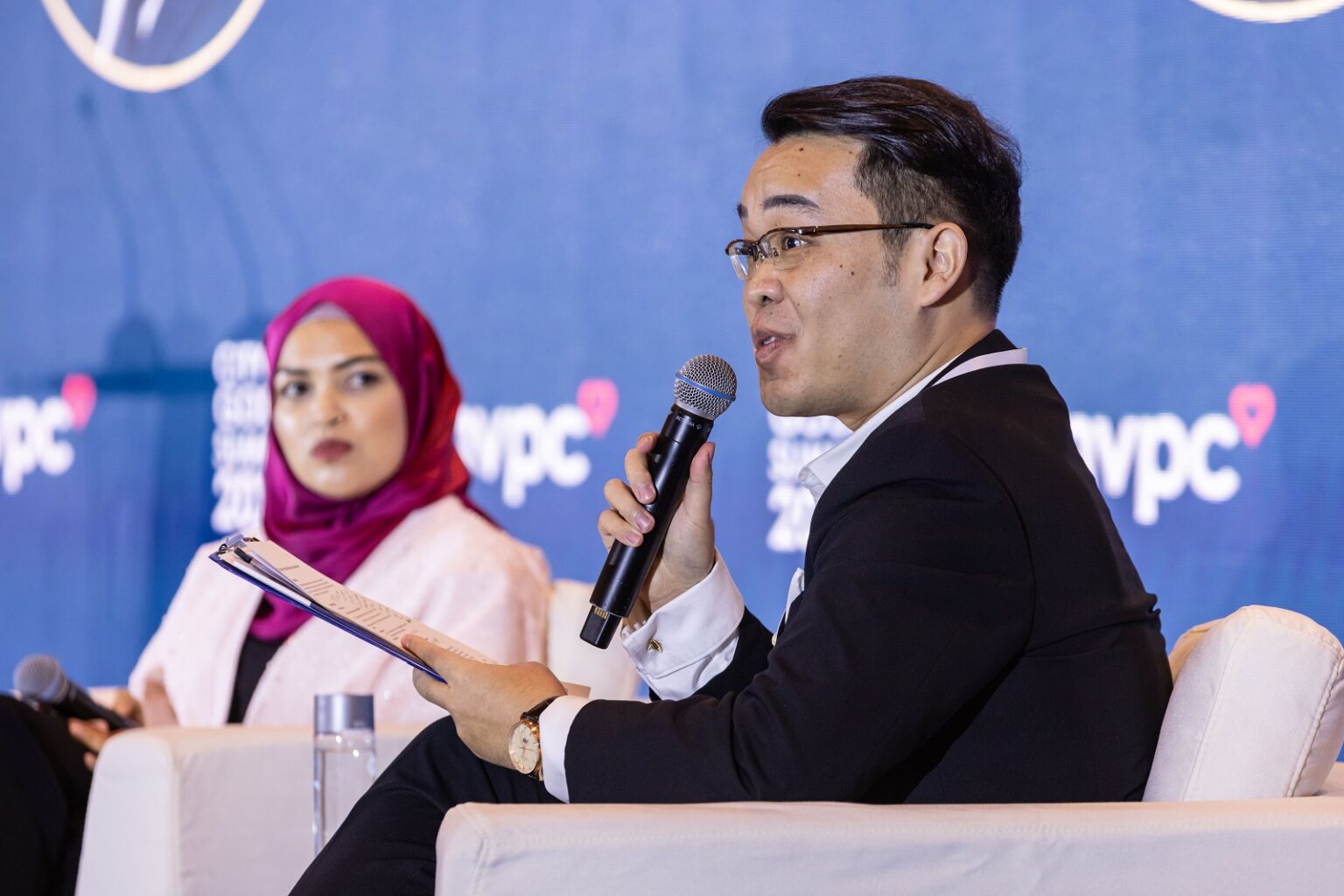
For both Nabillah and Ming Xiu, their journeys into social impact work were born from deeply personal experiences. Nabillah’s background as a musician and teacher showed her the importance of creating safe, empowering spaces for expression. “Music was the way I was able to express myself,” she shared, adding that founding NJ Studio was her response to a lack of such avenues for others. “There are so many other people who are going to be concert pianists but not everyone would want to do community work through music, to give access to music to underprivileged kids.”
For Ming Xiu, a pivotal moment came during his university days, when he volunteered at a boys’ home for at-risk youth. “They asked me why I was wasting my time with them,” he recounted. “But over time, they began to realise that I genuinely cared.” His experience laid the foundation for Campus PSY, a youth mental health movement built on the principle that young people do not just need knowledge – they need to feel seen, heard, and cared for.
For both Nabillah and Ming Xiu, their journeys into social impact work were born from deeply personal experiences. Nabillah’s background as a musician and teacher showed her the importance of creating safe, empowering spaces for expression. “Music was the way I was able to express myself,” she shared, adding that founding NJ Studio was her response to a lack of such avenues for others. “There are so many other people who are going to be concert pianists but not everyone would want to do community work through music, to give access to music to underprivileged kids.”
For Ming Xiu, a pivotal moment came during his university days, when he volunteered at a boys’ home for at-risk youth. “They asked me why I was wasting my time with them,” he recounted. “But over time, they began to realise that I genuinely cared.” His experience laid the foundation for Campus PSY, a youth mental health movement built on the principle that young people do not just need knowledge – they need to feel seen, heard, and cared for.
One recurring challenge the panellists addressed was how young changemakers gain credibility in a space dominated by more established players. “When you’re young and starting out, it can feel like you’re a small fish in a big pond,” said Suhaimi.
Nabillah acknowledged this honestly, crediting her communications-savvy husband for helping her craft messages that resonate. But she also emphasised learning by doing: “I wanted to learn things the hard way. The more you talk to people, the better you get at it. You’re bound to make mistakes, and it’s okay.”
For Ming Xiu, building credibility meant honouring commitments. “Although we were just students, we partnered established agencies and delivered what we promised.” Campus PSY trained 50 youth ambassadors in its first year, partnering with organisations like IMH and SOS, and gradually grew its credibility through word of mouth, social media, and consistent delivery.
A sobering statistic was shared: of over 1,000 ground-up initiatives started in Singapore, only around 400 remain active today. The reason? Sustainability. Young founders often start projects in their late teens or early twenties, only to face new life pressures — career demands, marriage, and financial stress — within a decade.
Nabillah raised a thought-provoking question: “Is it really that bad if we drop out?” She argued that impact isn’t erased by stepping away — if your work inspires others, the ripple effects endure. “The experiences you’ve had in your youth shape who you are today,” she said.
Ming Xiu agreed, highlighting the importance of succession planning and recognising when it’s time to pass the baton. “Your initiative is your legacy,” he said. “But someone else can take it further.”
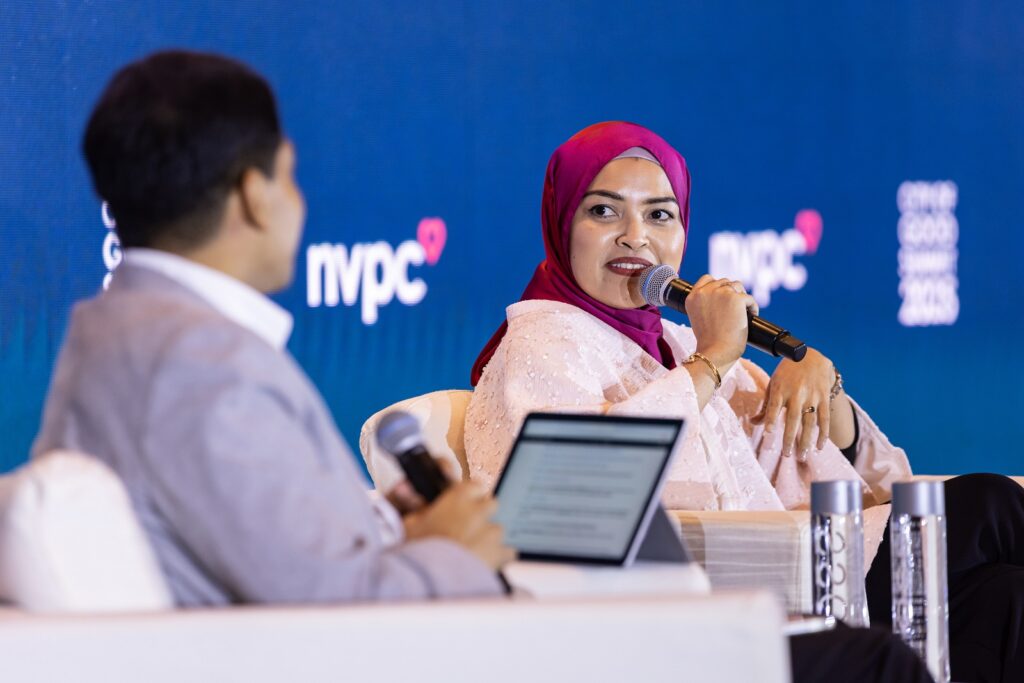
A sobering statistic was shared: of over 1,000 ground-up initiatives started in Singapore, only around 400 remain active today. The reason? Sustainability. Young founders often start projects in their late teens or early twenties, only to face new life pressures — career demands, marriage, and financial stress — within a decade.
Nabillah raised a thought-provoking question: “Is it really that bad if we drop out?” She argued that impact isn’t erased by stepping away — if your work inspires others, the ripple effects endure. “The experiences you’ve had in your youth shape who you are today,” she said.
Ming Xiu agreed, highlighting the importance of succession planning and recognising when it’s time to pass the baton. “Your initiative is your legacy,” he said. “But someone else can take it further.”
As the panel drew to a close, Suhaimi turned the conversation toward practical advice for leaders in the room. “How can we better engage youth? How do we keep them with us longer?”
Nabillah suggested that small gestures of recognition can go a long way. “Sometimes just a compliment or a token stipend says: I see you, I value your time.” Even a modest remuneration, she noted, could reinforce that their contribution matters.
Ming Xiu proposed the “3 Bs”: help youth be seen, be heard, and be known. Youths today are purpose-driven, and need mentors who can offer affirmation, direction, and encouragement. He also urged leaders to leverage their networks and share resources – from funding to publicity — to help young changemakers launch and sustain their initiatives.
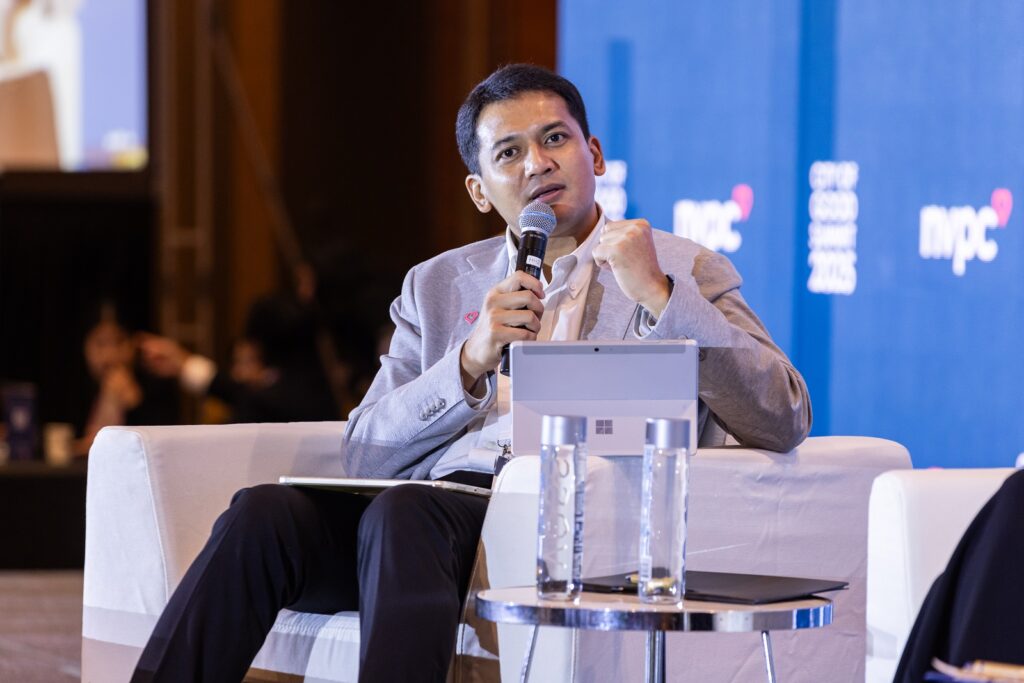
Suhaimi concluded with a call to action: “We all want to engage youth better, but we’re not doing it efficiently enough. We need to get them on our boards and advisory committees. If you don’t know how — come to NVPC. We’ll help figure it out.”
As the panel drew to a close, Suhaimi turned the conversation toward practical advice for leaders in the room. “How can we better engage youth? How do we keep them with us longer?”
Nabillah suggested that small gestures of recognition can go a long way. “Sometimes just a compliment or a token stipend says: I see you, I value your time.” Even a modest remuneration, she noted, could reinforce that their contribution matters.
Ming Xiu proposed the “3 Bs”: help youth be seen, be heard, and be known. Youths today are purpose-driven, and need mentors who can offer affirmation, direction, and encouragement. He also urged leaders to leverage their networks and share resources – from funding to publicity — to help young changemakers launch and sustain their initiatives.
Suhaimi concluded with a call to action: “We all want to engage youth better, but we’re not doing it efficiently enough. We need to get them on our boards and advisory committees. If you don’t know how — come to NVPC. We’ll help figure it out.”
This panel offered a candid, multi-dimensional view of youth leadership in Singapore. Authenticity and a deep sense of purpose were the common thread shared by the speakers. Youth may be our future, but as this conversation showed, they are also our present – and with the right support, they will shape the future of giving, volunteering, and community leadership in profound ways.
Missed the panel discussion on activating communities of purpose at the City of Good Summit? Find out more here.
Interested in connecting with NVPC? Reach us at [email protected]